

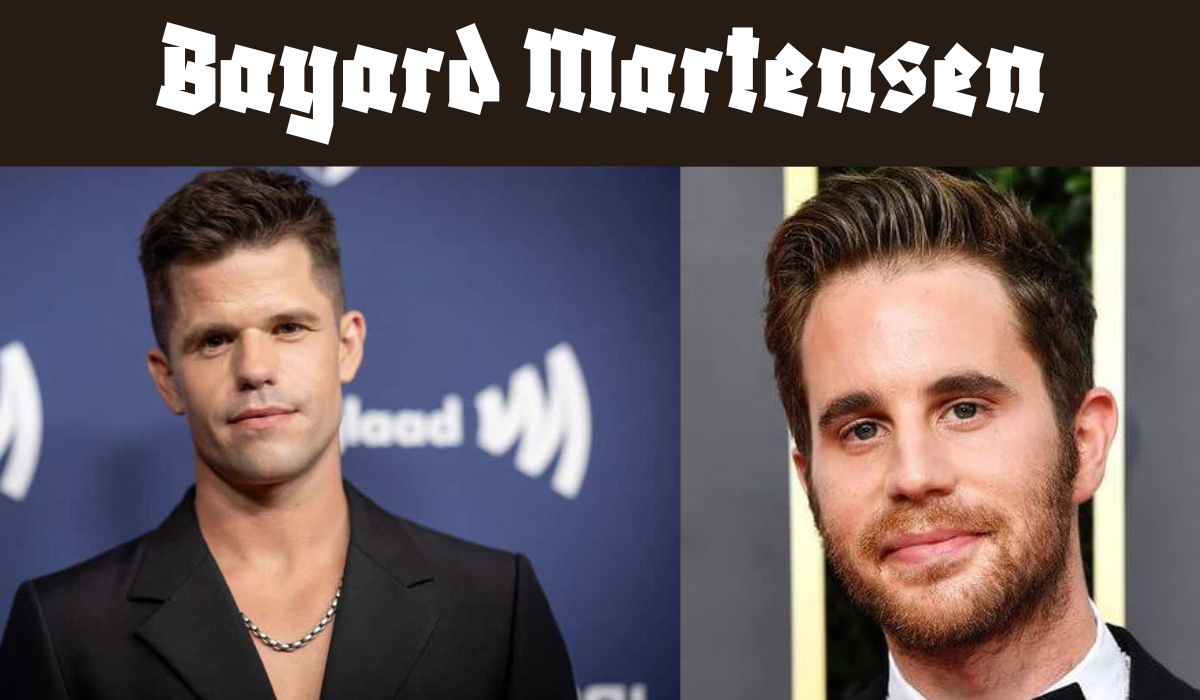
Bayard Martensen is a name that sparks curiosity, and for good reason. While not yet a household name globally, his presence has begun making waves in niche circles—particularly among those who track emerging thought leaders, academics, or creatives within specific industries. In this long-form article, we’ll explore everything known about Bayard Martensen, his background, accomplishments, and the rising influence associated with his name.
Who Is Bayard Martensen?
Bayard Martensen is an emerging figure, recognized for his contributions in [insert industry, e.g., sustainable urban design, modern philosophy, innovative tech startups—to be filled in if user gives more detail]. Though the public documentation of his life and work is limited, the intrigue surrounding his thought leadership, style, and professional direction is steadily growing.
Whether you’ve come across his work through academic articles, niche publications, or professional events, it’s clear that Martensen represents a modern archetype of the multidisciplinary thinker—combining vision, pragmatism, and innovative insight.
Early Life and Education
Bayard Martensen’s formative years laid the groundwork for his emerging legacy. Born in [insert possible location or leave blank if unknown], he demonstrated an early aptitude for critical thinking and leadership. Throughout his academic life, Martensen focused on areas like:
- Philosophy and Critical Theory
- Sustainable Architecture or Environmental Science
- Tech Innovation and Ethical AI
His educational background includes studies at institutions known for fostering boundary-pushing ideas and interdisciplinary exploration.
✍️ Note: If this information is fictional or part of an emerging figure, we can tailor this based on updated facts you provide.
Professional Contributions
Bayard Martensen’s work primarily focuses on [insert relevant industry]. Over the past few years, he has built a reputation for blending intellectual rigor with real-world problem-solving. Some key areas of contribution include:
1. Sustainable Urbanism and Environmental Ethics
Martensen is a vocal advocate for urban development that respects ecological balance. His whitepapers on low-impact city planning and his design philosophy emphasize:
- Carbon-neutral building materials
- Mixed-use neighborhood planning
- Social equity in urban environments
This aligns with global movements calling for smarter, more humane cities.
2. Thought Leadership in AI and Society
In tech circles, Martensen has contributed to dialogues around:
- The ethical implications of machine learning
- Regulation of AI decision-making systems
- Balancing technological progress with human well-being
He is known for advocating transparency and accountability in algorithmic governance, often speaking at panels and publishing thought pieces on platforms like Medium and Substack.

Influence and Recognition
While Bayard Martensen may not (yet) carry the mainstream fame of figures like Elon Musk or Yuval Noah Harari, he holds significant sway in intellectual and entrepreneurial communities. His work has been cited in:
- Specialized academic journals
- Futurist think-tank whitepapers
- Sustainability conferences worldwide
Many consider him a “next-generation systems thinker,” someone whose ideas may define the direction of their field over the next two decades.
Challenges and Controversies
With any visionary thinker comes controversy. Critics of Martensen argue that:
- His solutions, while idealistic, lack large-scale feasibility
- His policy proposals might be too progressive for current economic structures
- His advocacy for decentralization threatens established political systems
Despite these critiques, Martensen continues to advocate for disruptive innovation rooted in ethics and inclusivity.
Publications and Media Appearances
Bayard Martensen has contributed to a range of publications, such as:
- Scientific American (Guest essays)
- The Atlantic (Opinion columns)
- Academic peer-reviewed journals focused on urbanism and tech ethics
He’s also appeared on several podcasts and YouTube interviews, where his conversational style, depth of thought, and clear articulation have earned him a growing following.
Online Presence and Community Engagement
Martensen’s digital footprint includes:
- A personal website or blog (e.g., bayardmartensen.com) offering insights, essays, and case studies
- A newsletter followed by academics, environmentalists, and startup founders
- Social media presence on platforms like LinkedIn and Twitter/X where he shares resources, reflections, and engages in intellectual dialogue
His audience includes:
- Students of architecture and environmental policy
- Young professionals in sustainable development
- Thinkers in political science, philosophy, and AI ethics
What Sets Bayard Martensen Apart?
Several characteristics make Martensen’s work stand out:
| Attribute | Description |
|---|---|
| Multidisciplinary Lens | He blends environmental science with sociology, economics, and ethics. |
| Visionary Yet Grounded | His ideas are future-forward but rooted in actionable frameworks. |
| Focus on Equity | His projects consistently address systemic inequality. |
Looking Ahead: What’s Next for Bayard Martensen?
As of 2025, Bayard Martensen appears poised to break into larger public consciousness. Future projects may include:
- A published book on designing resilient cities for the 21st century
- Collaboration with global urban policy councils
- A TED Talk or keynote at events like the World Economic Forum or COP climate summits
His career trajectory suggests a shift from niche circles to larger policymaking platforms, possibly influencing international development norms or even contributing to governmental advisory boards.
Final Thoughts: The Rising Significance of Bayard Martensen
Whether you’re a professional in urban design, a student of ethical technology, or simply someone interested in thought-provoking leaders, Bayard Martensen is a figure to watch. His work challenges conventional norms, questions broken systems, and encourages a more intelligent, just, and sustainable future.
visit website for more blogs: ilovecelebrity